
So How Do You Ensure You Have The Advantage When Negotiating? My Notes: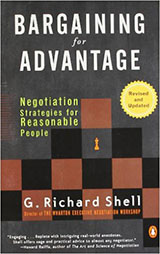
- Prepare thoroughly in advance
- Locate the decision maker
- Built rapport
- Discover the other party’s goals – ask questions, obtain information on interests, issues and perceptions. Test for understanding, summarise, probe first then disclose, signal regarding your leverage
- If you open then you benefit from setting the anchor point.
- Look for common ground
- On what issues might the other side say “no”?
- Search for low-cost options that solve the other party’s problems while advancing your goals
- Trade issues
- Leverage
- Flows to those with the greatest control and comfort with the present situations.
- Threats must be credible.
- For whom is time a factor?
- Create momentum by giving little things.
- Create a vision that the other side has something to lose from no deal
- Positive leverage: Is having something the other guy wants, or better, needs, or best, cannot do without
- Negative Leverage: Threat based, with hints rather than shouts
- Normative Leverage: Give and take
- Leverage changes constantly through the negotiation
- Leverage depends on the other party’s perceptions of the situation, not the facts
- Closing Technique: Scarcity Effect
- Competition (many others are interested)
- Deadlines (we will withdraw the offer soon)
- Walkouts (I will get up and leave at any time)
- Closing Technique: Overcommitment
- eg standing in line at DisneyLand
- Leverage loss aversion (“We’ve come so far, don’t let all this time and effort go to waste!”)
- Softer Closing Technique: Split the difference
- Beware Rogue Tactics:
- Lies about bottom lines and alternatives
- Low-balling
- Phoney issues / decoy / red herring
- Fake authority ploys
- Overcommitment (drags out the negotiation process and raises or lowers the price or terms at the last minute)
- Good guy / bad guy
- Consistency traps (The goal of which is to pre-commit you to a seemingly innocent standard. They get you to agree to a statement before telling you why the statement is important)
- Reciprocity ploys (“I made a concession, now its your turn”. Beware of reciprocity traps – “Here’s a flower, may I have a donation?”)
- The nibble (just before closing hoping your exhausted)